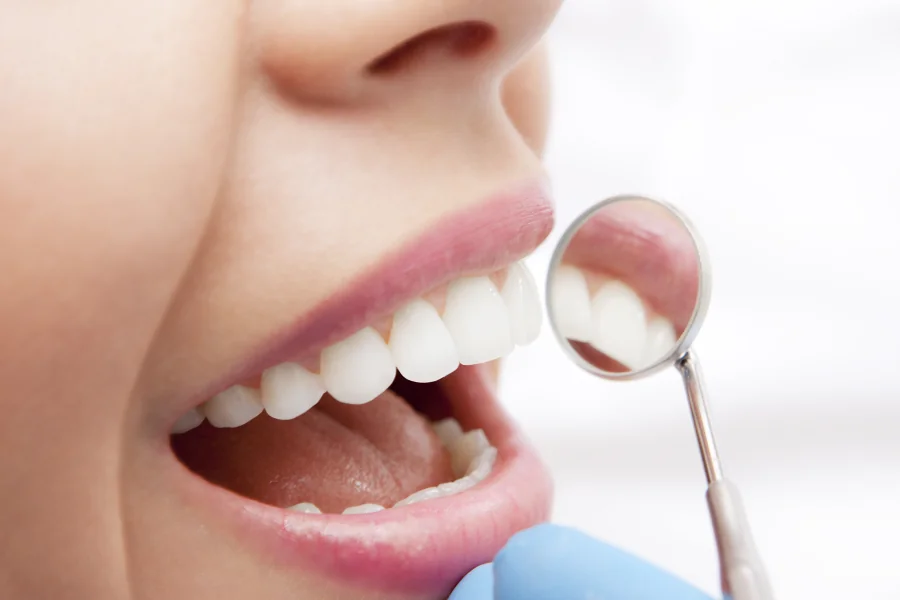
What Is Tooth Whitening?
Whiter teeth and a brighter smile are easier to obtain than many might think. While some dental insurance plans provide benefits for a portion of the cost to whiten teeth, you’ll find the increased self-confidence is worth the cost, even if your dental plan doesn’t cover it. The following article explains one dentist’s method of correcting tooth discoloration due to aging, consumption of staining substances such as coffee, tea, colas and tobacco, trauma, tetracycline (antibiotic) staining, excessive fluoride, nerve degeneration and old restorations. Providing illustrative graphic images, the article describes a method of bleaching that uses a mild solution retained in a custom-fitted appliance that is worn over your teeth while you sleep. The article also points out which people might benefit most from the procedure and covers information such as safety issues, length of treatment time, possible side effects and how long the treatment will last. Check with your individual, family, group or small business dental insurance plan for possible cosmetic tooth whitening benefits. If you do not have dental coverage, you may want to obtain dental insurance free quotes and compare dental plans for cosmetic tooth whitening and other valuable benefits that will improve your smile.
It's actually a bleaching process that lightens discolorations of enamel and dentin. The system Dr. Kinser recomends, uses a mild solution retained in a custom-fitted appliance that is worn over your teeth while you sleep. You also have the option of using the system during the day as the custom-fitted tray is hardly visible and does not interfere with speech.
What Causes Tooth Discoloration?
There are many causes. The most common include aging, consumption of staining substances (coffee, tea, colas, tobacco), trauma, tetracycline (antibiotic) staining, excessive flouride, nerve degeneration and old restorations.
Who Can Benefit From Tooth Whitening?
Almost everyone. However, there are some cases where the treatment may not be effective. Dr. Kinser can determine wether or not you are a viable candidate for the process or if another cosmetic procedure would better meet your expectations. The tooth-lightening system is ideal for patients who have healthy, unrestored teeth and would like to have a whiter, brigther smile.
Is Tooth Whitening Safe?
Research has indicated that whitening teeth with carbamide peroxide is safe for the teeth and gums under the supervision of a dentist. The custom-fitted trays isolate the solution to the part of the teeth that need to be bleached and keeps contact with the gum tissues to a minimum. Dr. Kinser can determine what concentration of bleaching solution will be best for your teeth.
How Does It Work?
The bleaching gel is placed in a thin custom-fitted tray that fits only over your teeth. As the active ingrediant in the gel, carbamide peroxide, is broken down, oxygen enters the enamel and dentin and bleaches the colored substanes. The structure of the tooth is not changed; only the tooth is made lighter and whiter.
How Long Does It Take?
Results are usually seen in the first night. Maximum results generally occur when the process is continued for 10 to 14 nights.
Are There Any Side Effects?
Some people experience increased tooth sensitivity to cold during the treatment. Others have reported temporary discomfort, such as gum or tooth sensitivity. These symptoms ALWAYS disappear within 1-3 days after interruption or completion of the treatment.
How Long Will The Results Last?
Your teeth will always be lighter than they were. However, some patients may need periodic re-bleaching or "touch-up" treatments for one or two nights every six to twelve months.